

Even One Drink Matters: Alcohol and Driving
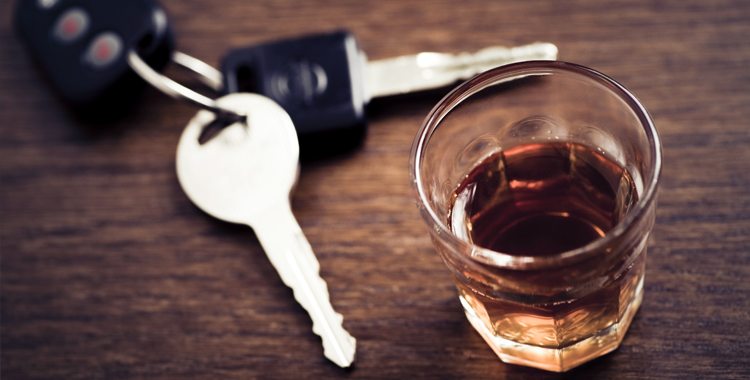
In 2017 alone, there were more than 10,000 drunk driving-related deaths—that’s almost 30 people per day. You may not think that a few drinks is a big deal, but even one drink impacts your thinking, coordination and reaction time. When you drink, alcohol enters the blood stream and causes your body’s Blood Alcohol Concentration (BAC), or sometimes called blood alcohol level, to rise.
Your Blood Alcohol Concentration represents how much alcohol you have in your body. A BAC of .2 means that .2% of your body contains alcohol. This many not seem like much, but a BAC of .2 can be very dangerous and is well above the legal driving limit. Generally, a BAC of .08 is too high to drive, but even driving at slightly lower BACs can still be dangerous.
So what affects your BAC? Well, it depends on many different factors like your weight, gender and how quickly you are drinking.
- Rate of Consumption. Generally, it takes one hour to process one ounce of alcohol. The faster you drink, the faster your BAC will rise, it’s that simple.
- Weight. People that weigh more tend to have more water in the body, which helps dilute alcohol in the body.
- Food. Eating before you drink helps keep alcohol in your stomach longer. This causes your BAC to rise more slowly than if you drank without eating.
- Body Type. Muscle tissue carries significantly more water than fatty tissue, which means more muscular people will experience a slower rise in BAC.
- Gender. Women generally have less water in the body than men, which causes their BAC to increase faster.
- Medications. Many medications interfere with prescription medication and can even increase how quickly your body absorbs alcohol. If you are taking any medications, be sure to speak with your doctor before drinking alcohol.
In addition to these, there are many other factors that can affect your BAC, like metabolism, stress, medical conditions and even altitude.
How to Measure Your BAC
To help determine how alcohol will affect your BAC, use the following chart as a guide.* Numbers in blue are levels where the driver is impaired. Numbers in red are above the average legal limit for driving. In this chart, one drink is considered 1.5 ounces of hard liquor, 12 ounces of beer or five ounces of wine.
|
Your Weight |
Number of Drinks |
||||||||
|
1 |
2 |
3 |
4 |
5 |
6 |
7 |
8 |
9 |
|
|
100 |
0.032 |
0.065 |
0.097 |
0.129 |
0.162 |
0.194 |
0.226 |
0.258 |
0.291 |
|
120 |
0.027 |
0.054 |
0.081 |
0.108 |
0.135 |
0.161 |
0.188 |
0.215 |
0.242 |
|
140 |
0.023 |
0.046 |
0.069 |
0.092 |
0.115 |
0.138 |
0.161 |
0.184 |
0.207 |
|
160 |
0.020 |
0.040 |
0.060 |
0.080 |
0.101 |
0.121 |
0.141 |
0.161 |
0.181 |
|
180 |
0.018 |
0.036 |
0.054 |
0.072 |
0.090 |
0.108 |
0.126 |
0.144 |
0.162 |
|
200 |
0.016 |
0.032 |
0.048 |
0.064 |
0.080 |
0.097 |
0.113 |
0.129 |
0.145 |
|
220 |
0.015 |
0.029 |
0.044 |
0.058 |
0.073 |
0.088 |
0.102 |
0.117 |
0.131 |
|
240 |
0.014 |
0.027 |
0.040 |
0.053 |
0.067 |
0.081 |
0.095 |
0.108 |
0.121 |
* Values shown in this chart are only estimates and should only be used as a guide.
BAC Level and Driving
Even a low BAC affects your behavior and ability to drive. From your first drink, judgment and muscle control are diminished, making driving unsafe. Use the chart below to see how the body and driving are affected at different BAC levels.
|
BAC Level |
Effects on the Body |
Effects on Driving |
|
.02% |
|
|
|
.05% |
|
|
|
.08% |
|
|
|
.10% |
|
|
|
.15% |
|
|
When drinking, you may feel like you’re safe enough to drive, but it’s important to remember that every drink matters. To avoid accidents and injuries, always have a designated driver when drinking or plan on taking a cab home.
FAQs
How do I leave the Union in good standing?
You must pay all dues owed, write a letter requesting withdrawal from the Local, and pay $5 for your withdrawal card. Your request will be reviewed by the Executive Board.